Leaders and residents of Amufi-Okpagha community in Ikpoba-Okha Local Government Area of Edo State have dismissed claims circulating on social media that the ongoing Okpagha-Amufi Road project is responsible for flooding in the area.
The residents said the flooding predates the road construction, describing it as a longstanding problem caused largely by the area’s low-lying terrain and the convergence of rainwater from neighbouring communities.
The controversy followed reports on social media linking the flooding to the state government’s road project and alleging that erosion associated with the construction had contributed to the collapse of part of a building in the community.
However, an inspection by officials and engineers from the Edo State Ministry of Works found that the affected portion of Amufi is one of the lowest points within the axis, making it a natural collection point for runoff during heavy rainfall.
Speaking during a visit to the community, the Ohen of Amufi, Egharevba Asenoguan, acknowledged that flooding had been a recurring problem in the area long before the commencement of the road project.
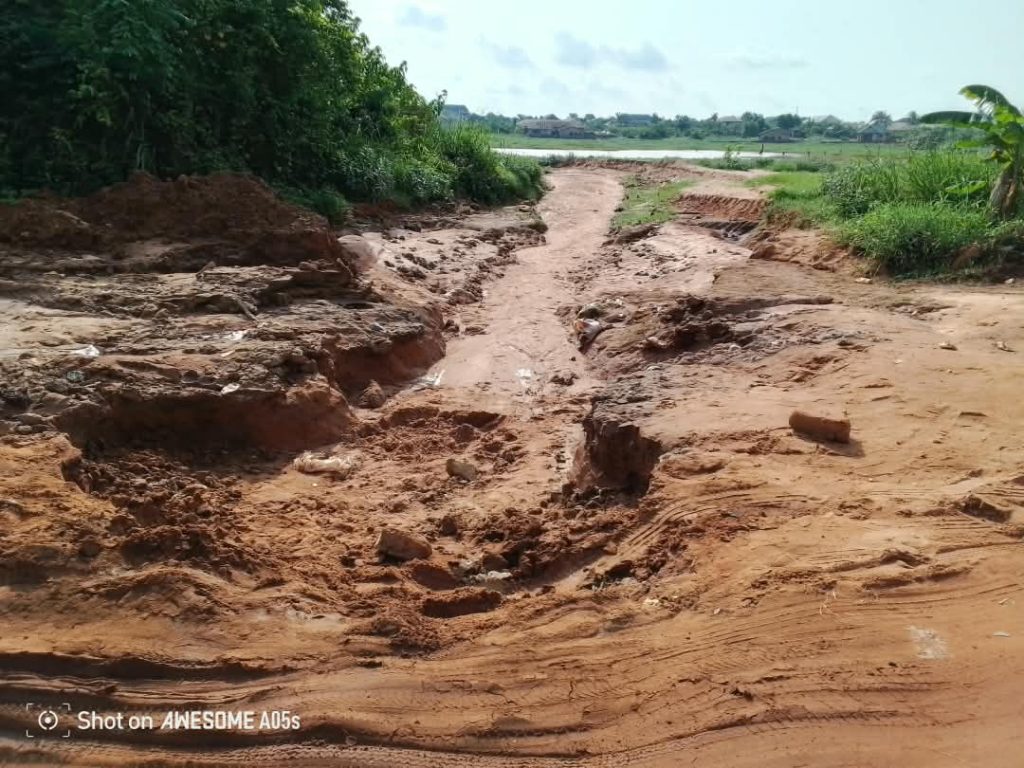
According to him, water from Iguomo and other surrounding communities naturally drains towards Amufi, with the situation becoming more severe during the peak of the rainy season.
“To be honest, there used to be water here before. It’s not only Amufi. Water coming from Iguomo and other communities in this axis gather here. It’s just that it increases during the peak of the rainy season,” the traditional ruler said.
He, however, appealed to Governor Monday Okpebholo to intervene, noting that the severity of the flooding had left several houses in the community unsafe.
“All we are asking is assistance from the governor. We need his help because most of the houses here have been condemned. We are not blaming him; we are only begging,” Asenoguan added.
The Project Engineer for the Okpagha-Amufi Road, Engineer John Ibiezugbe, also said the flooding was not a new development associated with the construction work.
Ibiezugbe explained that the location had historically experienced rainwater logging and represented the lowest point among four communities in the area.
“Before we came here, this place has been a rainwater logged area. This place happens to be the lowest point between the four communities here,” he said.
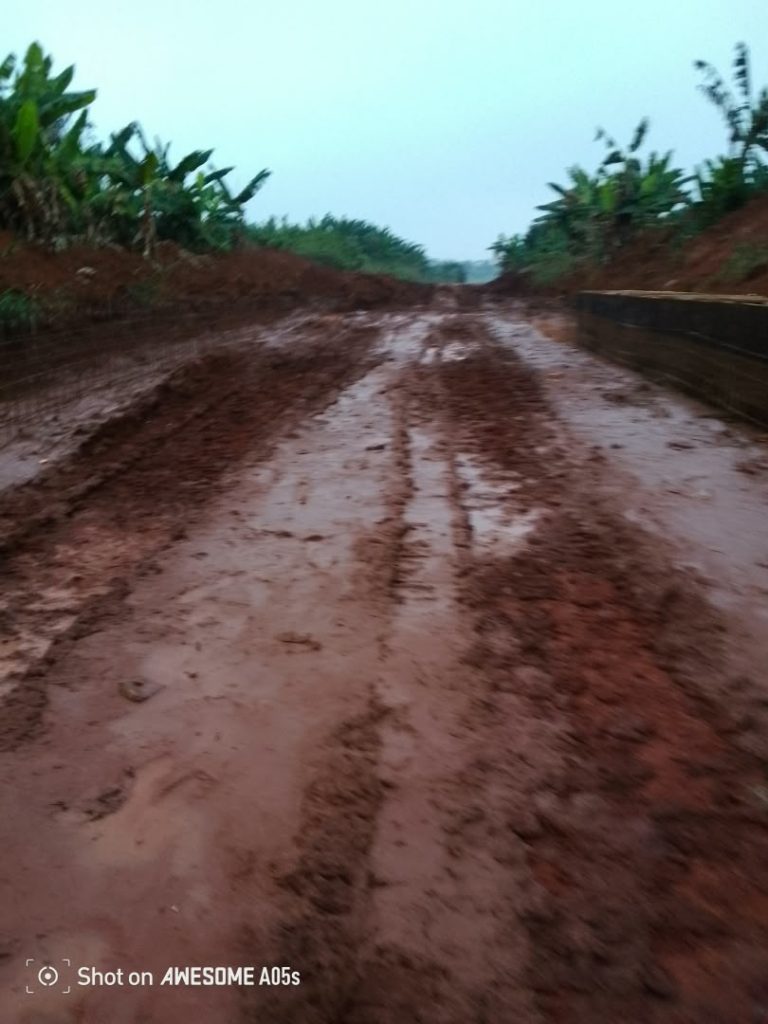
He added that the construction team would review the situation to determine an effective and sustainable solution to the flooding.
“We may have to go back to our drawing boards and look at what is possible and sustainable as a solution,” the project engineer said.
The Permanent Secretary, Edo State Ministry of Works, Engineer John Obanor, attributed the persistent flooding to the natural topography of the area and increasing development around natural water channels.
Obanor explained that undeveloped low points often serve as natural discharge areas for water, but construction and the elevation of building foundations can alter the natural flow of runoff.
“Thank God some of the testimonies have confirmed that here has been the lowest point,” Obanor said.
He explained that water naturally seeks the lowest available point, adding that continued development in surrounding areas could push more water towards the remaining low point.
“Water is a natural course that must always find its level to the lowest point, and that’s where we are now,” he said.
The Permanent Secretary also urged residents to desist from dumping waste in drainage channels, warning that indiscriminate disposal of refuse could worsen flooding during heavy rainfall.
“Not every time it rains, people gather their waste and dump inside the gutter,” Obanor said, stressing the need for greater community awareness and responsibility.
The Ministry of Works official therefore advised residents to avoid making unsubstantiated allegations and instead work with government agencies to find lasting solutions to the flooding challenge.
Meanwhile, the residents expressed appreciation to Governor Monday Okpebholo for the road intervention, saying the project had improved accessibility to the community and could enhance its economic potential.
They maintained that their concerns over flooding should not be interpreted as opposition to the road project, but as an appeal for additional government intervention to address the area’s longstanding drainage challenges.
The development has consequently shifted attention from assigning blame for the flooding to the need for a sustainable drainage solution for Amufi and neighbouring communities, particularly given the area’s low topography and increasing urban development.