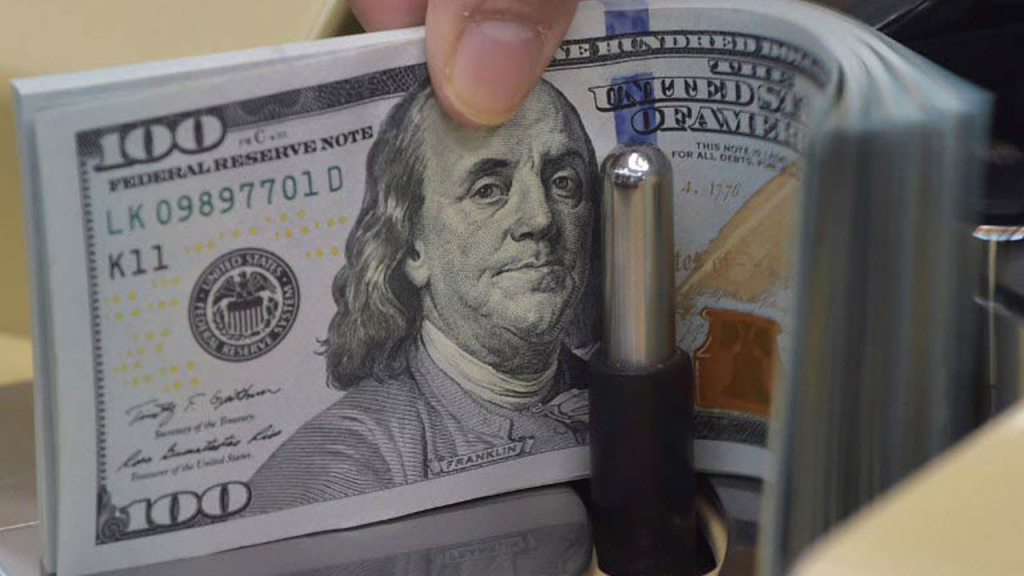
The Central Bank of Nigeria has launched the Foreign Exchange Bureau De Change Purchase Tracker and directed Bureau De Change operators to resell any unused foreign exchange purchased from the official market within twenty-four hours after the expiration of the approved utilisation period.
The apex bank, in new operational guidelines, said the framework establishes procedures for licensed BDCs to buy foreign exchange from authorised dealer banks through the Nigerian Foreign Exchange Market.
The guidelines implement the Central Bank’s February twenty twenty-six policy restoring licensed BDCs’ access to the official foreign exchange market after years of exclusion.
Under the new framework, the Central Bank will operate a centralised electronic platform to monitor foreign exchange purchases by BDCs in real time, improve compliance and strengthen oversight of the retail foreign exchange market.
The bank also directed that any foreign exchange not utilised within the approved period must be returned to the Nigerian Foreign Exchange Market within twenty-four hours to discourage speculation and the warehousing of dollars.
Authorised dealer banks have also been directed to carry out comprehensive Know-Your-Customer and due diligence checks on BDC operators, including verification of operating licences, Corporate Affairs Commission registration, Tax Identification Numbers and beneficial ownership.
The guidelines prohibit third-party transactions and bar authorised dealer banks from imposing exclusivity arrangements or conditions that limit a BDC’s choice of banking partner.
The Central Bank warned that violations could attract monetary fines, suspension from the foreign exchange market, withdrawal of BDC licences, revocation of authorised dealer status for banks and possible referral to law enforcement agencies where criminal conduct is established.
Licensed Bureau De Change operators are permitted to purchase up to one hundred and fifty thousand United States dollars weekly from authorised dealer banks for eligible invisible transactions, including personal and business travel allowances, overseas school fees and medical payments.
The Central Bank said the new framework is part of ongoing reforms aimed at improving transparency, strengthening market discipline and enhancing liquidity in Nigeria’s retail foreign exchange market.