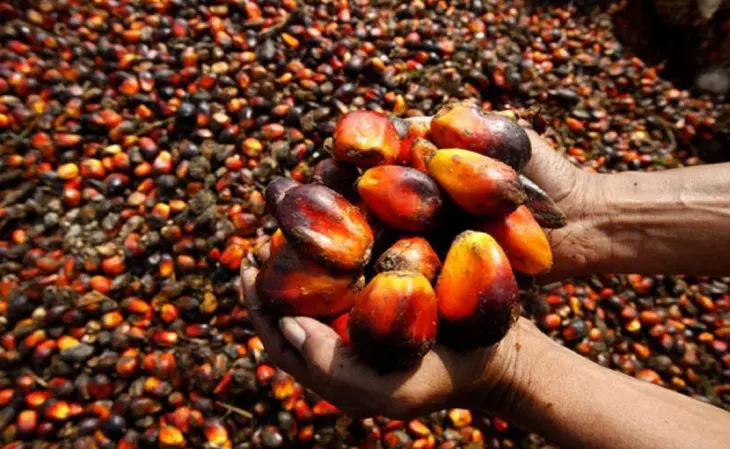
Nigeria is spending about $600 million dollar annually importing palm oil and its derivatives, despite being one of the crop’s natural homes and having the potential to become a major global producer and exporter, an industry stakeholder has disclosed.
The development, described as a major reversal of Nigeria’s fortunes in the oil palm industry, has raised fresh concerns over the country’s dependence on imports for a commodity once produced in significant quantities for the international market.
The stakeholder, Lawal Olusola Lawal, who spoke at the unveiling of his book: “Trade Protectionism Disguised as Climate Advocacy: Why Europe is Demonizing the Oil Palm Tree,” said Nigeria had historically contributed about 45 per cent of global vegetable oil demand, but had since lost its competitive position following years of neglect and inadequate investment.
He said the country currently produces only about half of the palm oil required for domestic consumption, leaving a substantial supply deficit that is being met through imports.
According to him, Nigeria’s import bill for palm oil and palm oil products stood at about $600 million dollar in 2025, representing foreign exchange that could have been retained in the economy through increased domestic production and processing.
He said the problem went beyond the importation of crude palm oil, noting that Nigeria also imports many of the industrial derivatives required by manufacturers.
He attributed the situation largely to the failure to develop the country’s oil palm value chain beyond primary production.